
Haplogroup D-Z1504
What is Paternal Haplogroup D-Z1504?
Haplogroup D-Z1504 is a group of Y-chromosome lineages defined by unique genetic markers. Your paternal haplogroup, or that of your father if you do not have a Y-chromosome, sheds light on the migrations of your ancestors. Although your paternal haplogroup reflects just one of your many ancestral lineages, it carries information about that lineage over tens of thousands of years.
Haplogroup D-Z1504 is descended from haplogroup D-Z1500. Among 23andMe research participants, haplogroup D-Z1504 is commonly found among populations in Japan and the United Kingdom.
It's important to note that your haplogroup doesn't define your current ethnic identity; rather, it provides an insight into your deep ancestry on the paternal side.
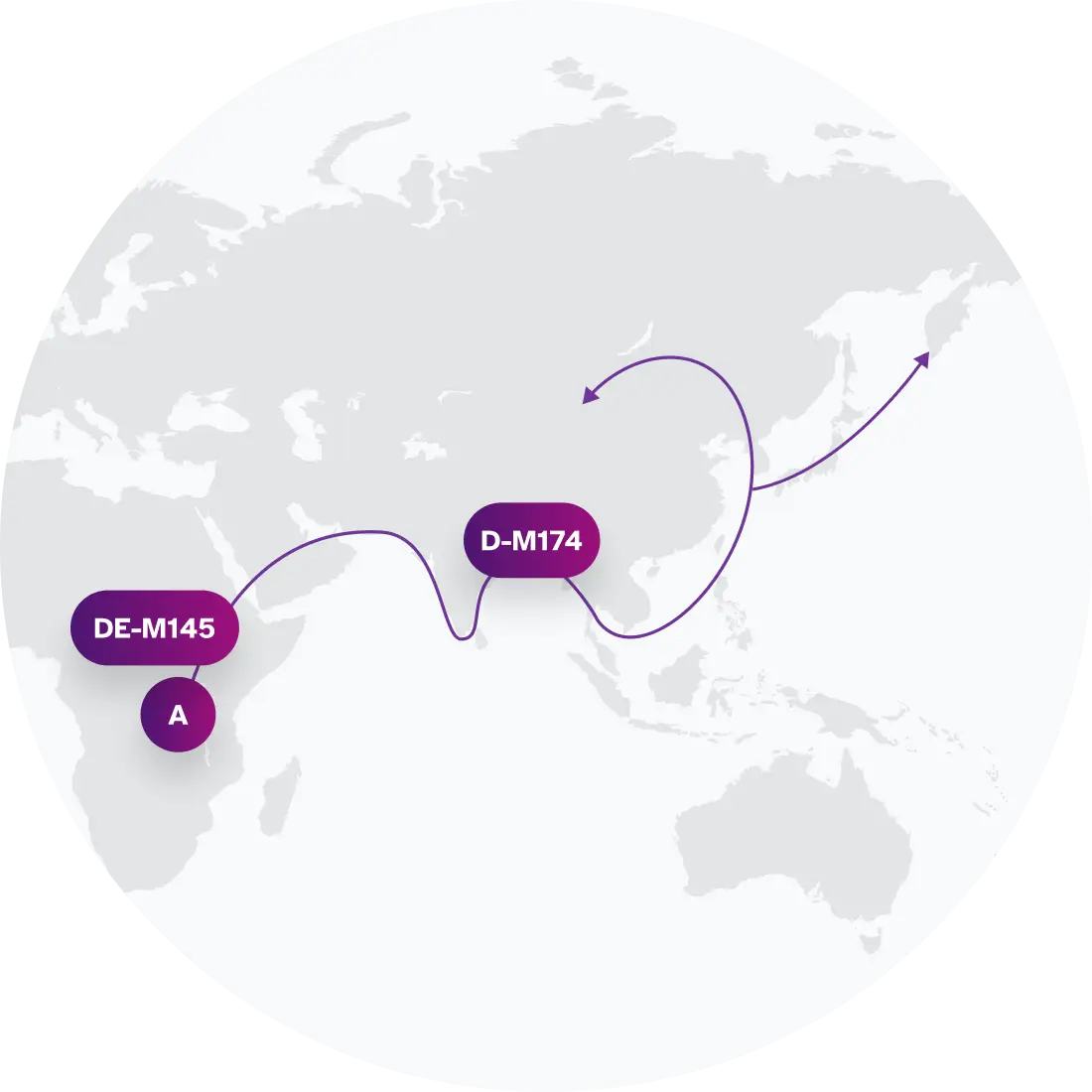 Paternal Haplogroup Origins D-Z1500
Top Surnames with Haplogroup D-Z1504
For surnames with sufficient representation in the data, these percentages represent the frequency with which each surname is found in individuals exhibiting this genetic marker.
Haplogroup D-Z1504 is linked to the ancient Jōmon people of Japan
Haplogroup D-M125 is a branch of D that arose over 12,000 ago, and was likely carried into Japan with the initial wave of migrants. Who were these first men to walk across the land bridge to Japan? Today, we call them the Jōmon. For thousands of years, the Jōmon lived by fishing, hunting and gathering the rich resources of the islands. They also left behind distinctive coiled pottery. In fact, their pottery was some of first in the world!Meanwhile rice agriculture was making quite an impression in mainland China and soon spread throughout eastern Asia. These rice agriculturalists arrived in Japan about 2,300 years ago, quickly taking over many parts of the archipelago. As they introduced new paternal lines, haplogroup D-M55 appears to have been mostly replaced. It did, however, survive in the descendants of the Jōmon in more isolated areas of Japan, including Hokkaido in the north and Okinawa in the south.
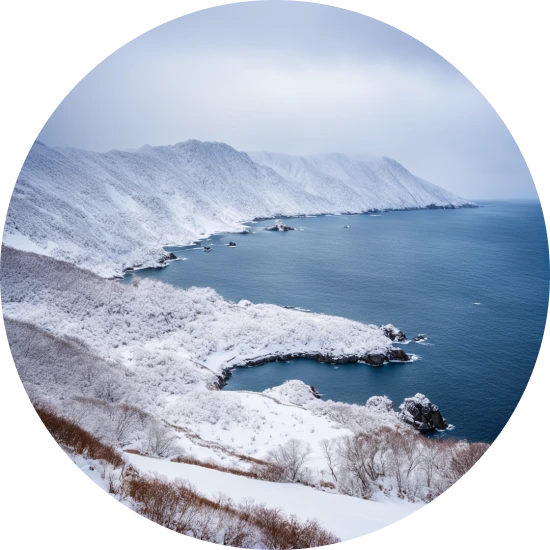 The Ainu, descendants of the Jōmon, live in northern Hokkaido today.